
Standard Method for Measuring Food Loss and Waste
Garda Pangan, together with Parongpong RAW Lab, WRI Indonesia, Bapanas, and Bappenas, is developing a standard method for measuring food loss and waste.
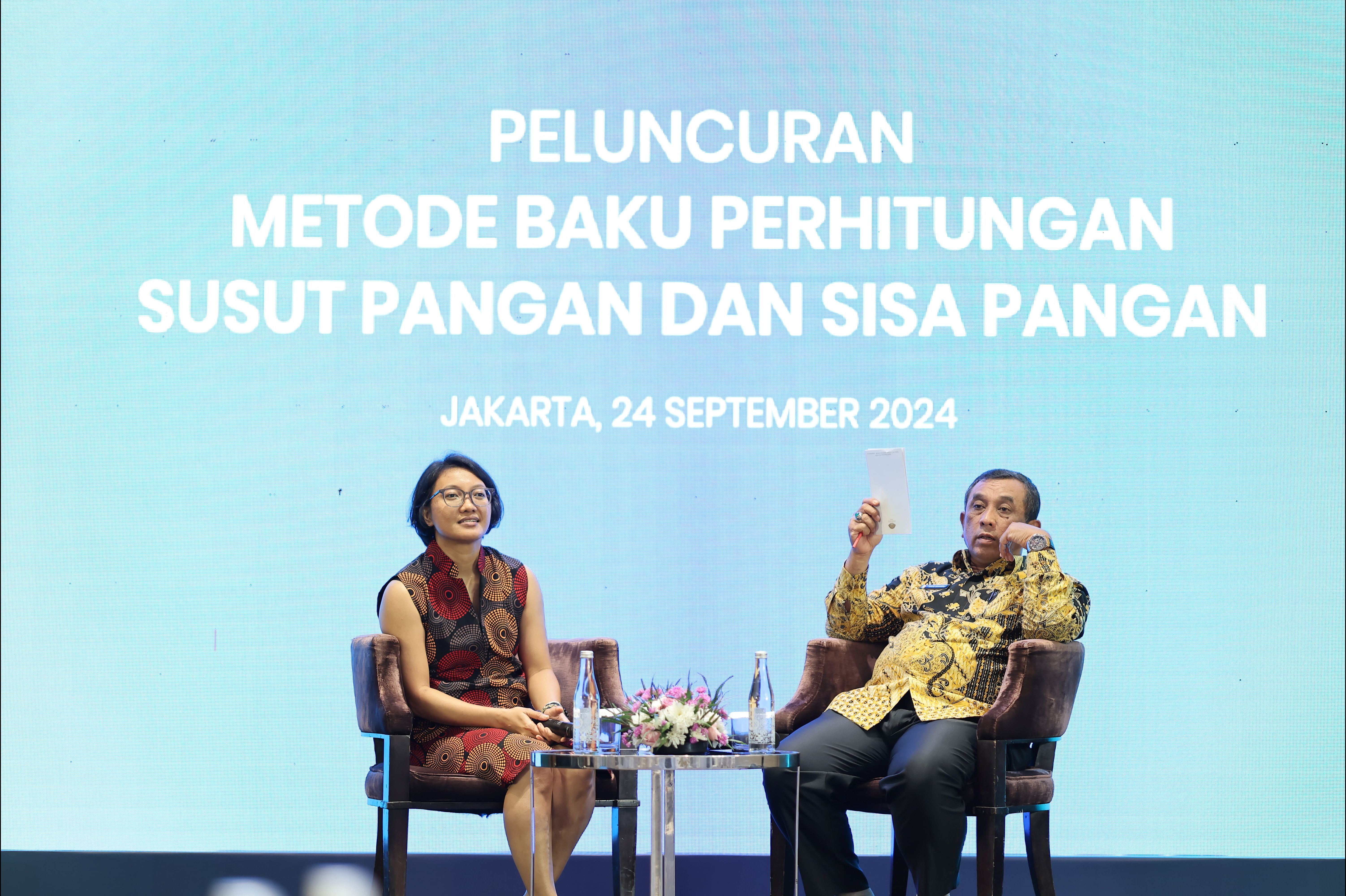
Garda Pangan, in collaboration with Parongpong RAW Lab, the World Resources Institute (WRI) Indonesia, the National Food Agency (Bapanas), and the Ministry of National Development Planning (Bappenas), developed a standard method for measuring food loss and waste. The process began in September 2023 and culminated in the publication of the method on September 24, 2024.
The Standard Method for Measuring Food Loss and Waste developed by Garda Pangan is an adaptation of the international Food Loss and Waste Accounting and Reporting Standard, published by the Food Loss and Waste Protocol. The document serves as a global standard for reporting food loss and waste occurring throughout the food supply chain, enabling measurements to be conducted consistently and compared across contexts.
The development of the standard method began with a practicality test at the production stage, involving farmers during the harvest period from October 11–27, 2023, in Batu City, East Java. The field-based measurement involved 30 horticultural farmers producing various commodities, including apples, potatoes, chilies, mustard greens, bell peppers, tomatoes, carrots, and others. The results were then analyzed by the Garda Pangan team, followed by a focus group discussion with farmer representatives from Batu City and the Malang Raya Food Security Agency to refine the standard method.
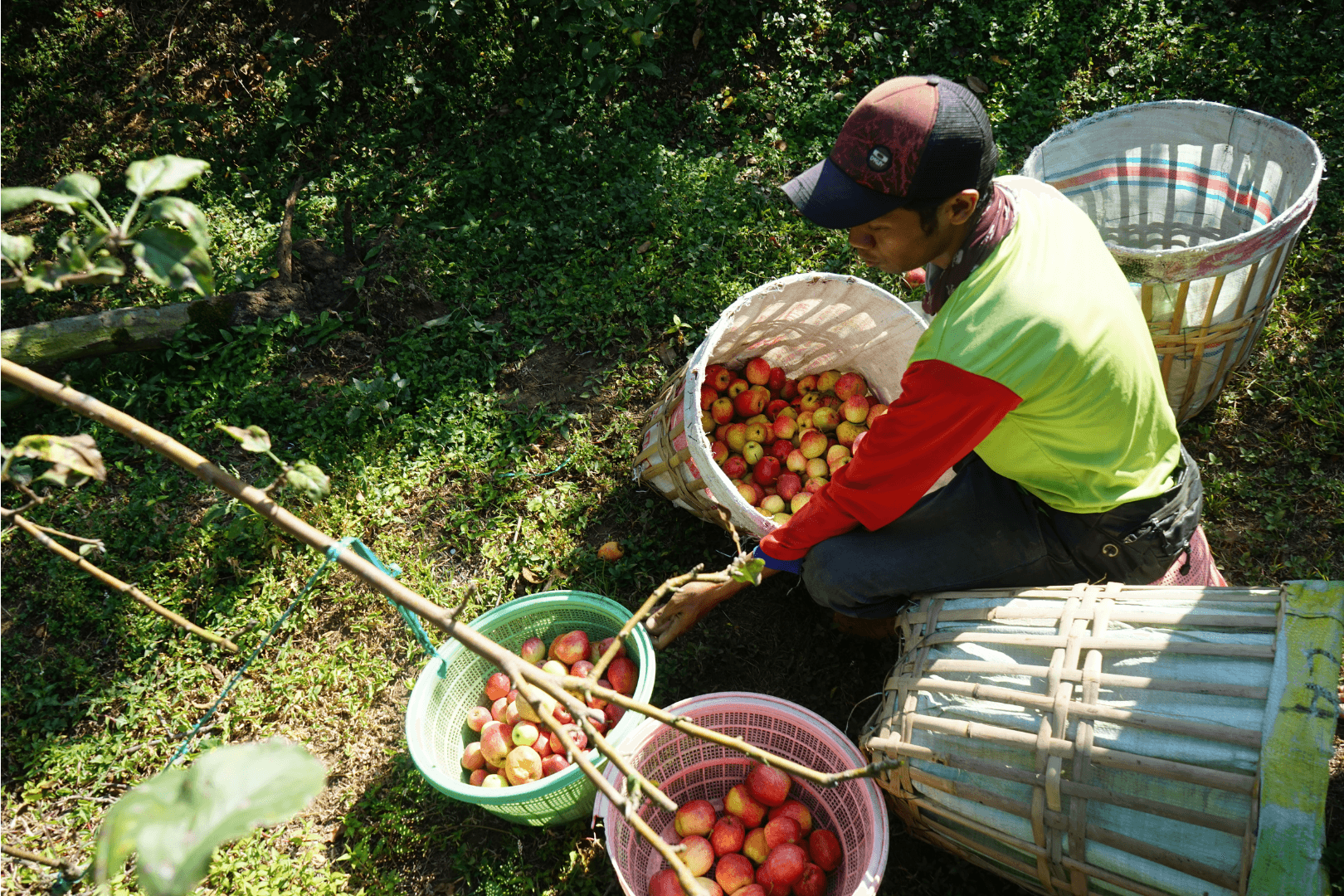 Credit: Pilot Testing of the Standard Method with Horticultural Farmers in Batu City, Monday (October 23, 2023) / Sebastian Nugroho Bayu
In addition to adapting the methodology for the production stage, the research team continued to adapt the standard method for the distribution and consumption stages. During this pilot phase, the team collaborated with Sarinah Mall in Jakarta, involving food and beverage vendors as well as retail businesses to develop measurement guidelines. The research team conducted interviews and observations with business operators to understand distribution flows, identify points where food loss and waste occurred, and examine existing practices for handling and disposing of food waste.
Following a series of trials at the production and distribution-consumption stages, as well as discussions with stakeholders directly involved in the field, the research team continued developing the standard method through consultations with various stakeholders, including the National Food Agency (Bapanas), the Ministry of National Development Planning (Bappenas), the Sustainable Food Systems Coalition (KSPL), and the Food and Agriculture Organization (FAO). Insights and feedback from these discussions and consultations were used to strengthen the methodology, ensure its practicality, and adapt it to the realities of Indonesia’s food system.
Prior to its official publication in Jakarta on September 24, 2024, the research team conducted a dissemination session involving representatives from 15 provincial Food Agencies and Regional Development Planning Agencies (Bappeda) across Indonesia. Participants were introduced to the measurement method and given the opportunity to apply it directly to calculate food loss and waste. Beyond introducing the standard method, this process also served to ensure that the methodology could be practically applied and used as a basis for food loss and waste-related policymaking in Indonesia.
The standard measurement methodology documents can be downloaded through the links below: