
Dissemination of Baseline Food Waste Research Findings in Labuan Bajo
Admin
Aug 7, 2025
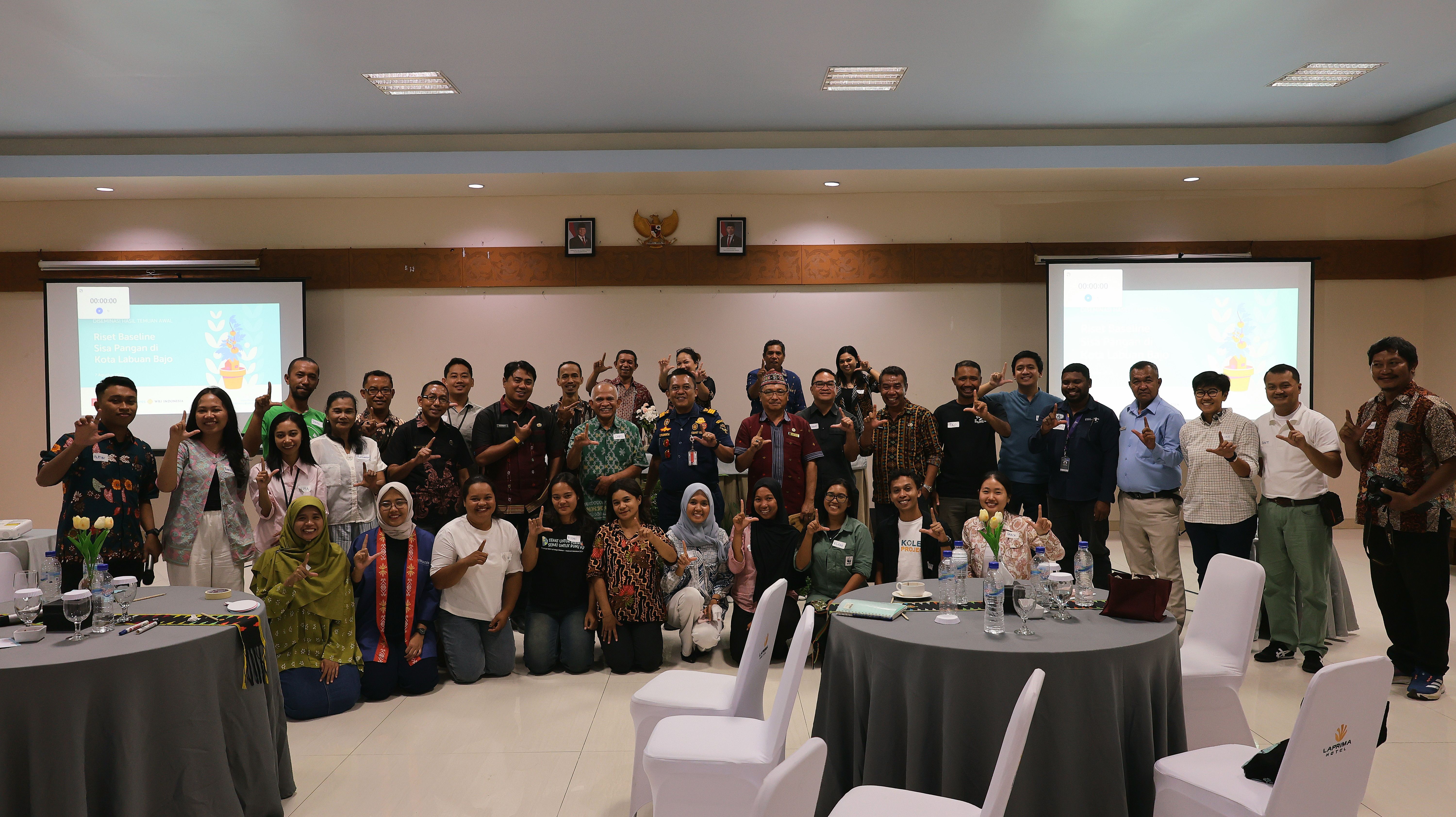
Image courtesy of Garda Pangan
After approximately one year of preparation, data collection, analysis, and writing, the findings of the Baseline Food Waste Research in Labuan Bajo were finally disseminated to key stakeholders on Thursday, August 7, 2025, at La Prima Hotel Labuan Bajo.
The event was attended by 34 participants representing local government, NGOs, businesses and tourism associations, as well as youth representatives from several villages in Labuan Bajo.
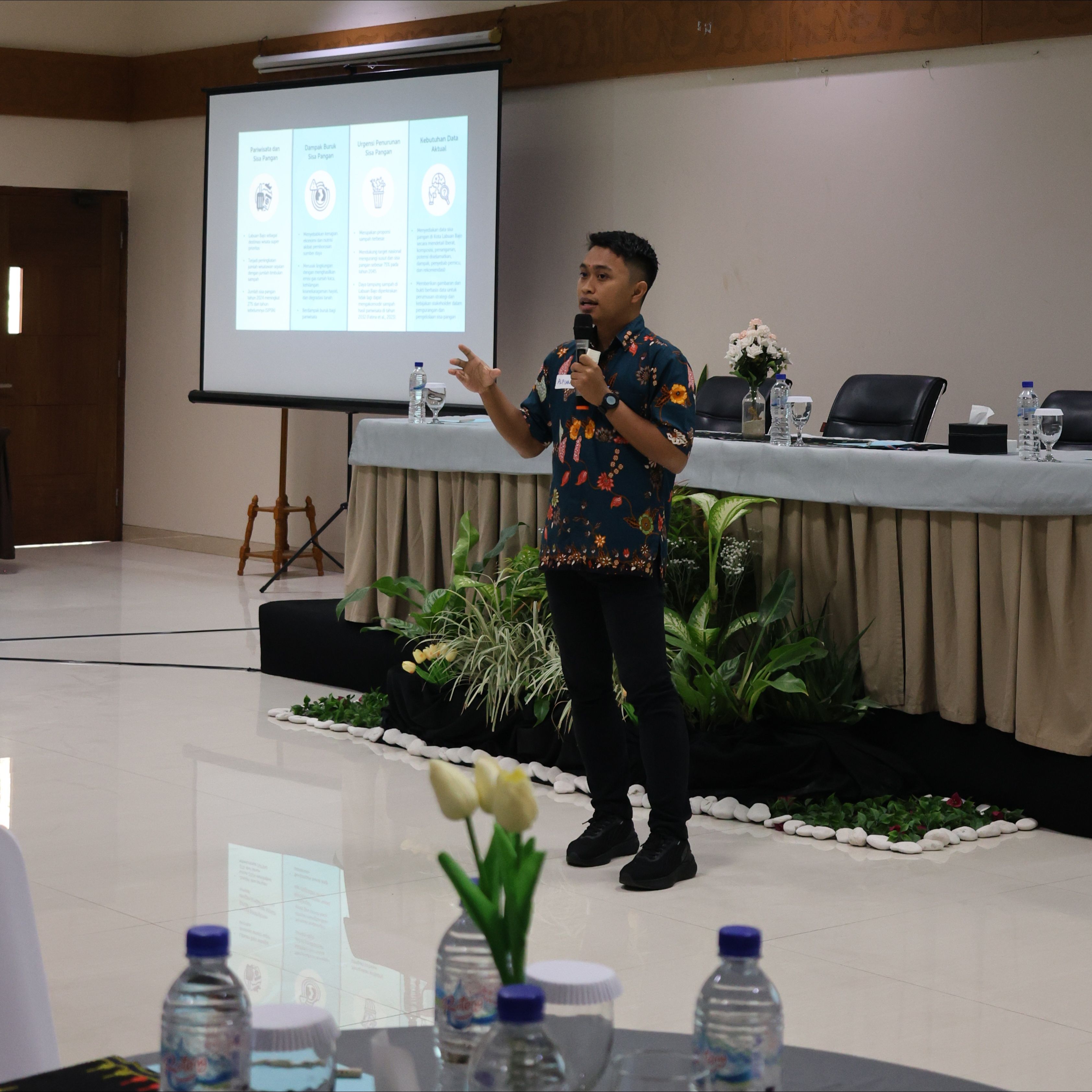 Figure 1. Presentation of the initial findings from the baseline assessment of food surplus and food waste in Labuan Bajo. (Photo: Lidia Prima Sidabutar)
The research team from Garda Pangan, Alfian Muhammad Nur and Grace Vanessa Lasmana, presented findings on food waste generation throughout 2024, including its characteristics and management practices, food rescue potential, and its environmental, nutritional, and economic impacts.
The presentation served as a starting point for a broader discussion around one key question: How can these findings be translated into concrete actions to reduce food waste in Labuan Bajo?
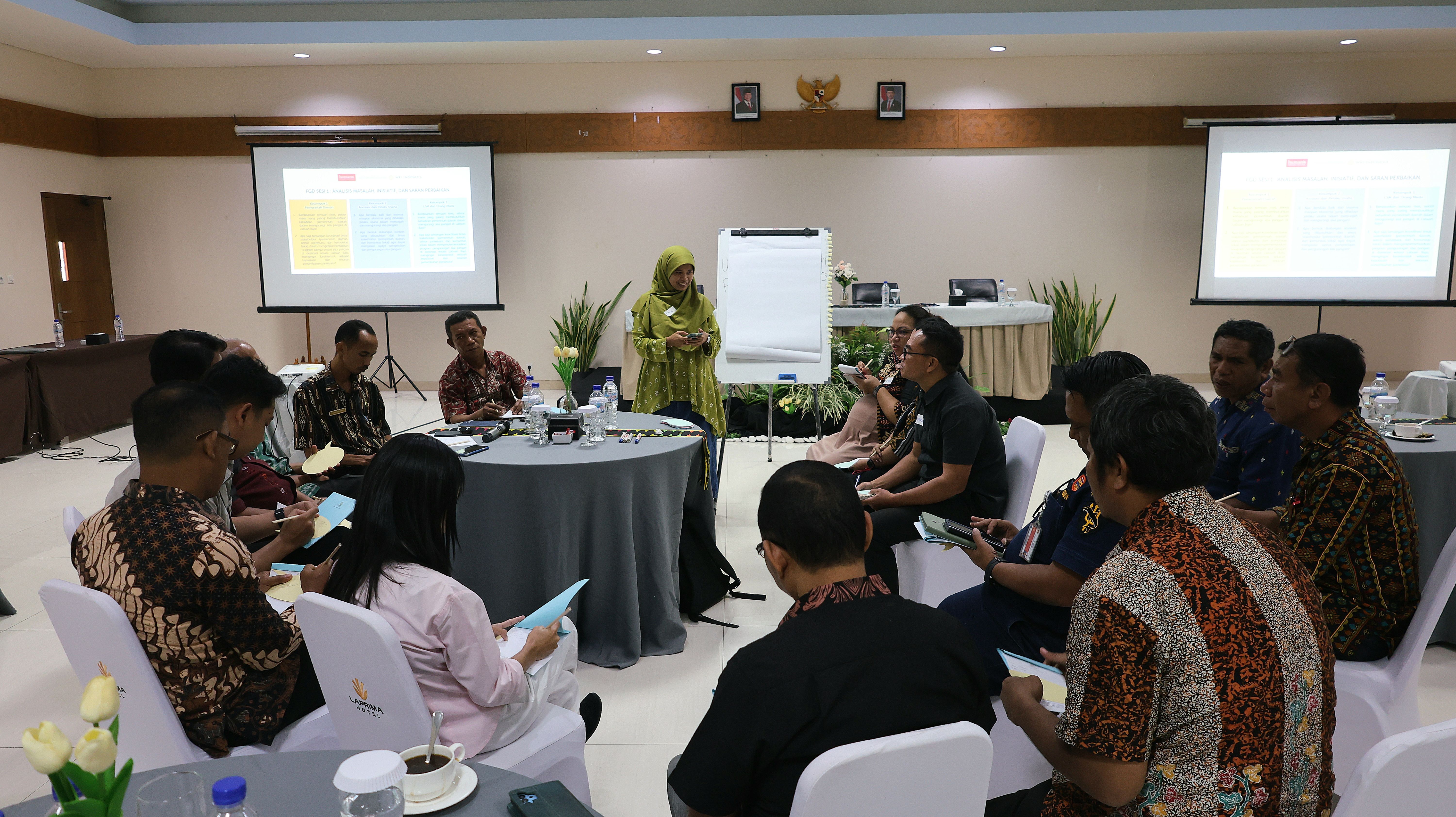 Figure 2. Focus group discussion (FGD) with representatives from the West Manggarai local government. (Photo: Lidia Prima Sidabutar)
The discussion continued through a Focus Group Discussion (FGD), which was divided into three groups: government representatives; businesses and associations; and NGOs and youth. The sessions were facilitated by representatives from WRI Indonesia and Garda Pangan.
The government group highlighted the need for stronger regulations, public education, incentives, adequate facilities, and cross-sectoral coordination. Meanwhile, businesses emphasized the importance of clear Standard Operating Procedures (SOPs), improved waste management facilities and services, as well as incentives to encourage more sustainable business practices.
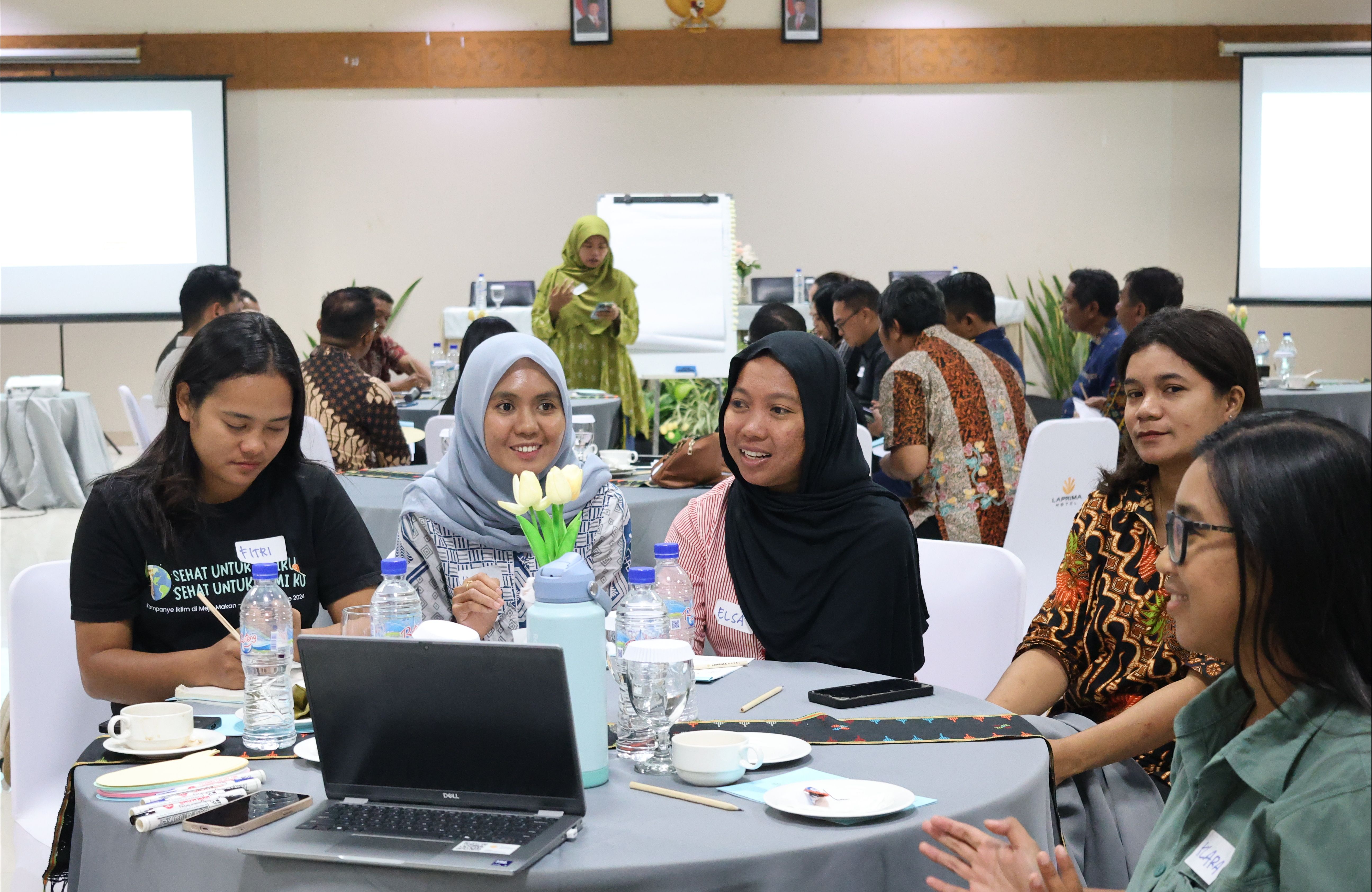 Figure 3. Focus group discussion (FGD) with NGOs and youth representatives from Labuan Bajo. (Photo: Lidia Prima Sidabutar)
The NGO and youth group highlighted the importance of education and training on food waste management, strengthening networks, developing safe food waste management guidelines, and creating markets for products derived from food waste, such as compost and maggot-based products.
Across the three groups, participants also developed a range of follow-up actions, including strengthening regulations and capacity, encouraging behavioral change, fostering collaboration with farmers and third parties, and developing regular food waste monitoring and evaluation systems.
The event provided an opportunity to connect research findings with the experiences and perspectives of stakeholders directly involved in addressing food waste issues in Labuan Bajo. More than simply presenting research results, the dissemination and FGD were intended as a starting point for strengthening collaboration and encouraging concrete action toward more sustainable food waste management.
The feedback and insights gathered from participants will also contribute to refining the scientific article planned for publication in an international journal, allowing the knowledge and lessons learned from Labuan Bajo to reach a wider audience.